From 1 July 2027, losses on most residential investment properties bought after 7:30pm AEST on 12 May 2026 can only be deducted against residential property income, not your salary. Properties already held at that time, and new builds, keep the current rules.
The changes were announced in the May 2026 Federal Budget and are now law. Here is what they mean in plain terms, using the government's own wording.
What negative gearing is
An investment property is negatively geared when its costs, such as loan interest, rates, insurance and repairs, are more than the rent it earns. Under the current rules, that loss can reduce tax on your other income, such as your wage.
What changes from 1 July 2027
The government is limiting negative gearing for residential property to new builds. For an established property bought from 7:30pm AEST on 12 May 2026, losses from 1 July 2027 "will only be deductible against other income from residential properties, including capital gains."
The loss does not disappear. If your property losses are larger than your property income, the excess can be carried forward to offset residential property income in later years.
The change applies to individuals, partnerships, companies and most trusts. Widely held trusts and super funds, including self-managed super funds, are excluded. Commercial property and shares are not affected.
Who keeps the current rules
The rules depend on when you bought and what you bought:
| When you bought | Established property | New build |
|---|---|---|
| Held at 7:30pm AEST 12 May 2026 (including contracts signed but not settled) | Current rules until you sell | Current rules |
| Between that time and 30 June 2027 | Current rules until 30 June 2027, then the new limit | Current rules |
| From 1 July 2027 | New limit applies | Current rules |
Why new builds are treated differently
The government's stated aim is to support homes that "genuinely add to supply". A new build is a home built on vacant land, or a project that replaces an existing home with more homes. It must not have been sold before, although a builder can hold it for up to 12 months. We explain the detail, including house and land packages, in Why new builds are treated differently under the 2027 rules.
The capital gains tax change that comes with it
The same reforms replace the 50% capital gains tax discount with indexation and a 30% minimum tax on gains made after 1 July 2027. That change reaches shares too, not only property. See The CGT discount is changing.
What changed for property investors in 2026.Get the free guideWhat to do now
Nothing about these rules says everyone should buy, sell or wait. What they change is the maths of each option, and that maths is different for every household. Before you make a move, it helps to:
- Write down what you own and when you bought it, including the exact contract date.
- Ask your accountant how the changes apply to each property you hold.
- If you plan to buy, compare a new build and an established property on rent, costs and location, not tax alone.
If you already own an investment property, read Already own an investment property? What the 12 May 2026 cut-off means.
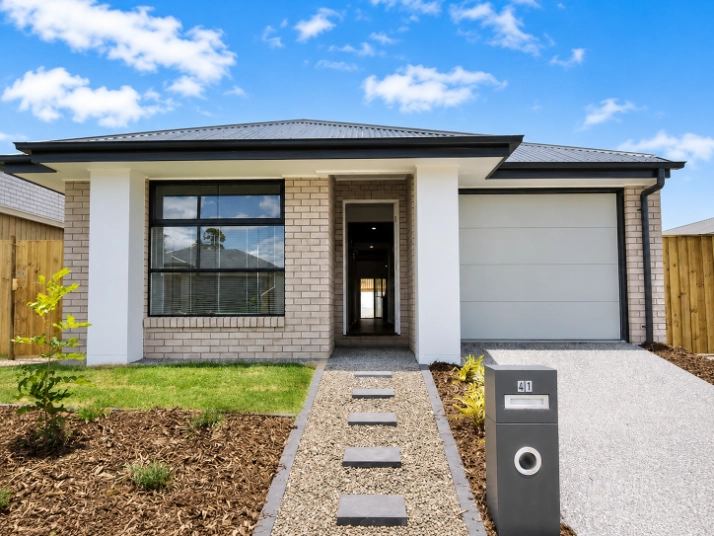
Bundamba, QLD
Common questions
Is negative gearing being abolished?
No. From 1 July 2027 it is limited. New builds keep it, properties held before 7:30pm AEST 12 May 2026 keep it until sold, and other losses can still offset residential property income.
I signed a contract before 12 May 2026 but settled later. Which rules apply?
The Budget explainer says properties where a contract was entered into before the announcement count as held. Your accountant confirms how this applies to you.
Can I still carry forward a loss?
Yes. Excess losses can be carried forward and used against residential property income, including capital gains, in later years.
Does this affect my home?
The changes are about investment properties. Your main residence stays exempt from capital gains tax.
General information only. It does not take your personal circumstances into account. Speak with your accountant about how these changes apply to you.