From 1 July 2027, the 50% capital gains tax discount is replaced by indexation of your cost base to inflation, plus a minimum tax rate of 30% on real gains. Gains made before that date keep the 50% discount.
This is one of the two property tax changes from the May 2026 Federal Budget, now law. It reaches every capital gains tax asset held for at least 12 months by individuals, partnerships and trusts, including shares.
How it works today
When you sell an investment property for more than you paid, the profit is a capital gain. If you held it for at least 12 months, you currently pay tax on only half of that gain, at your marginal rate.
What replaces the discount
The government is "returning to indexation based on the Consumer Price Index (CPI)". Instead of halving the gain, your cost base is increased each year in line with inflation. You pay tax only on the gain above inflation, which the government calls the real gain. The method is similar to the one used between 1985 and 1999, and the ATO will provide guidance and tools.
On top of that, "a minimum tax rate of 30 per cent will apply to real capital gains accruing from 1 July 2027". It has no effect until you sell. People whose gains are already taxed at 30% or more are not affected by the minimum. People who receive a means-tested payment, such as the Age Pension or JobSeeker, in the year they sell are exempt from it.
What happens to gains made before July 2027
If you already own an asset, its gain is split at 1 July 2027:
| Part of the gain | How it is taxed |
|---|---|
| From purchase to 1 July 2027 | 50% discount, on the difference between your cost base and the value at 1 July 2027 |
| From 1 July 2027 to sale | Indexation and the 30% minimum |
You work out the 1 July 2027 value in the tax return for the year you sell. You can either get a valuation as at that date or use a set apportionment formula based on the asset's growth over the time you held it. If you own property, it can be worth asking your accountant now whether a valuation near that date will help later.
Why the result differs from person to person
Whether you pay more or less tax than under the 50% discount depends on how fast the asset grows compared with inflation, how long you hold it, and your other income. The Budget explainer shows examples where a slow-growing asset ends up with less taxable gain, and a fast-growing one with more. That is why a general article cannot tell you your number.
New builds have a choice
Investors in eligible new builds "will be able to choose either the 50 per cent CGT discount or indexation and the minimum tax when they sell the property." What counts as a new build is covered in Why new builds are treated differently under the 2027 rules.
What changed for property investors in 2026.Get the free guideQuestions to take to your accountant
- Which of my assets are affected, and when did I buy each one?
- Should I get a valuation as at 1 July 2027, or will the apportionment formula do?
- Does the 30% minimum apply to me, given my other income?
- If I plan to buy again, how would a new build and an established property compare for me?
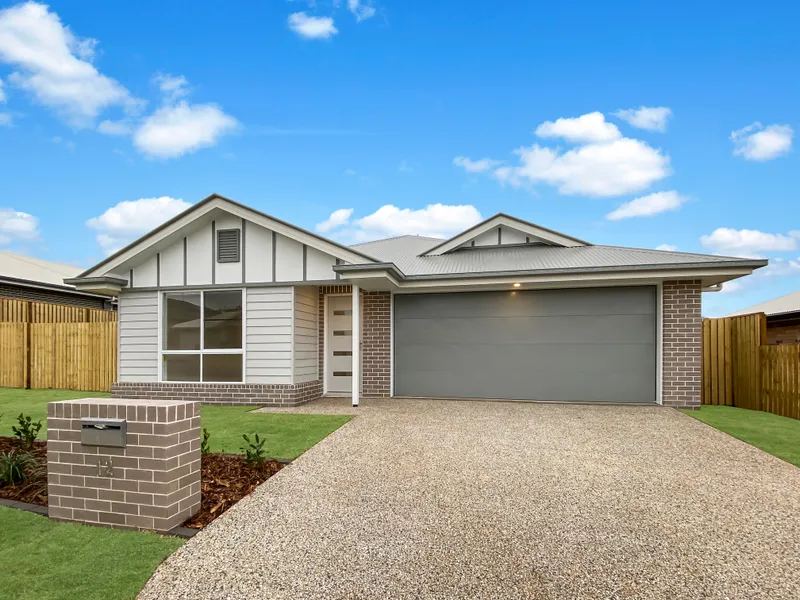
Highfields, QLD
Common questions
Does this change affect my home?
No. The government says the main residence will continue to be exempt from capital gains tax.
Does it apply to shares?
Yes. It applies to all capital gains tax assets held for at least 12 months by individuals, partnerships and trusts.
What about assets bought before 1985?
Gains on pre-1985 assets that accrued before 1 July 2027 stay exempt.
Do I pay the 30% minimum every year?
No. It applies only when a gain is realised, usually when you sell.
General information only. It does not take your personal circumstances into account. Maple Investment Group is not a tax agent; your accountant confirms how these changes apply to you.