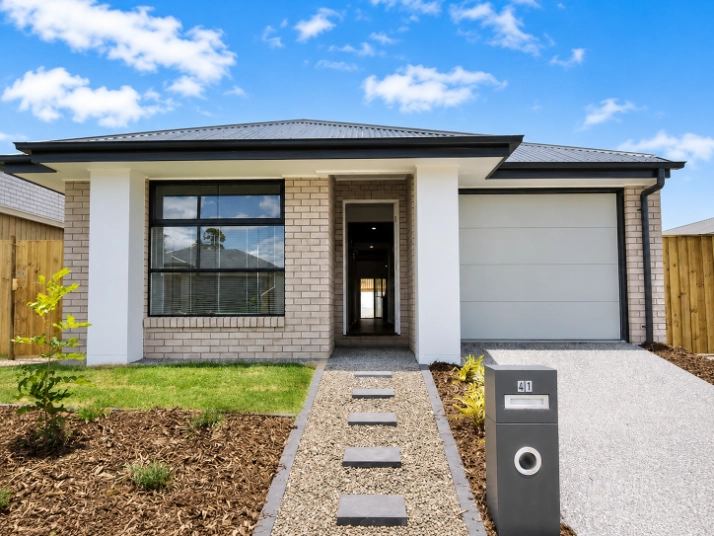

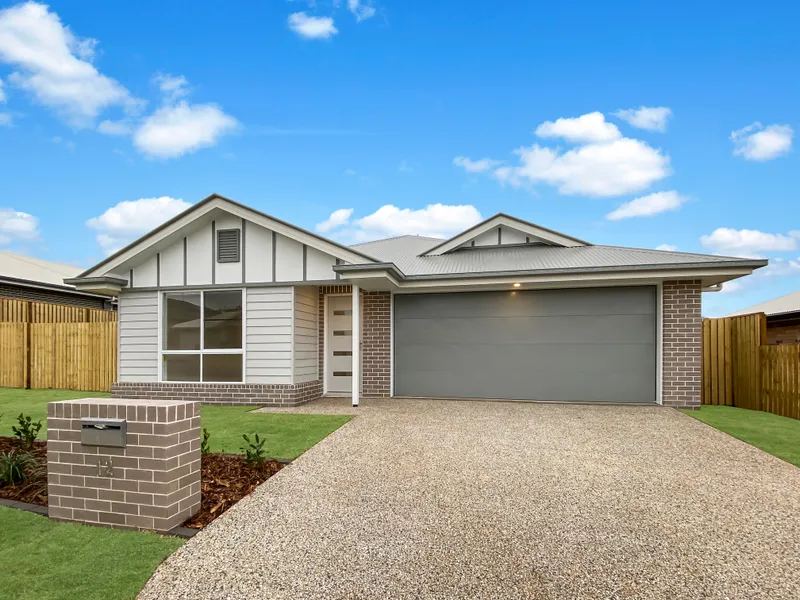
A house and land package can be a simple way into a new investment property, but you are buying two things, from two parties, on two timelines. Knowing how the land, the build and the area fit together is what separates a good purchase from a stressful one.
You sign two contracts, not one
Most packages involve a land contract with the developer and a separate build contract with the builder. They settle at different times and are paid to different people. One can run ahead of the other, so it pays to understand both before you commit.
Ask your conveyancer or lawyer to review the land contract before you sign, and ask the builder to walk you through the build contract, including the stage payments and the latest completion date.
Is the land titled or untitled?
Titled
- Registered parcel, exists today
- Settles when your finance is ready
- Build can start soon after
Untitled
- Roads, drainage, power and water still going in
- Nothing settles until the title registers
- The estimated title date can move
A titled block already exists as a registered parcel. It can settle as soon as your finance is ready, and the build can start soon after.
An untitled block does not legally exist yet. The developer is still finishing roads, drainage, power and water, and the subdivision has not been registered. Nothing settles until it is, and the estimated title date can move. Ask for the estimated title date in writing and plan for it to shift.
Know your sunset date
The land contract will usually carry a sunset date: the deadline by which the title must register. If it has not registered by then, either party may be able to end the contract. On an untitled block, compare the estimated title date with the sunset date from day one.
What is actually included?
Some packages leave out items you will need before a tenant can move in, such as the driveway, landscaping, letterbox and window coverings. These are sometimes called grey-area inclusions. Ask for a written list of what is in the price and what is not, so the property is ready to rent at handover.
Ask too how the builder handles site costs. Rock or poor soil found during excavation can add cost to a build. Find out what allowance the contract includes and who carries the risk above it.
How long will the build take?
Build times vary by builder, land and season. The contract sets a maximum completion date, which is the point after which the builder is in breach, not the date the home is expected. Ask the builder for their typical build time on similar homes and how they report progress.
Check the area, not just the house
The house will age. The land and the area are what drive long-term value and rental demand. Before choosing a location, look at:
- Population growth forecasts
- Rental vacancy rates
- Government spending and infrastructure
- Local industries and employers
- Public transport and schools
- Price against nearby suburbs
- How much land comes with the home
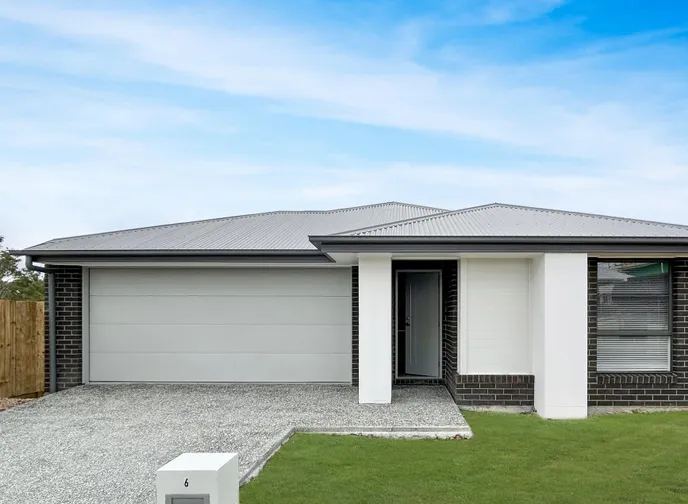 +109% growth
Ripley, QLD
Buy and holdCommon questions
Are house and land packages a good investment?
It depends on the location, the price, the contracts and your own goals. The same package can suit one investor and not another.
Do I pay stamp duty on the house?
Rules differ by state. In many cases duty applies to the land rather than the finished home, which can lower up-front costs. Check with your state revenue office or conveyancer.
When do I start paying the builder?
Build contracts are usually paid in stages as the home is built, funded from your loan. Your broker can explain how this works with your lender.
General information only. Not financial, tax or legal advice. Speak with a licensed professional about your circumstances.